

YOUR HOME SOLD GUARANTEED OR WE'LL BUY IT!*





From Backyard Space to New Homes: The Rise of Laneway Living
Sergey Korostensky
Tuesday, July 28, 2026
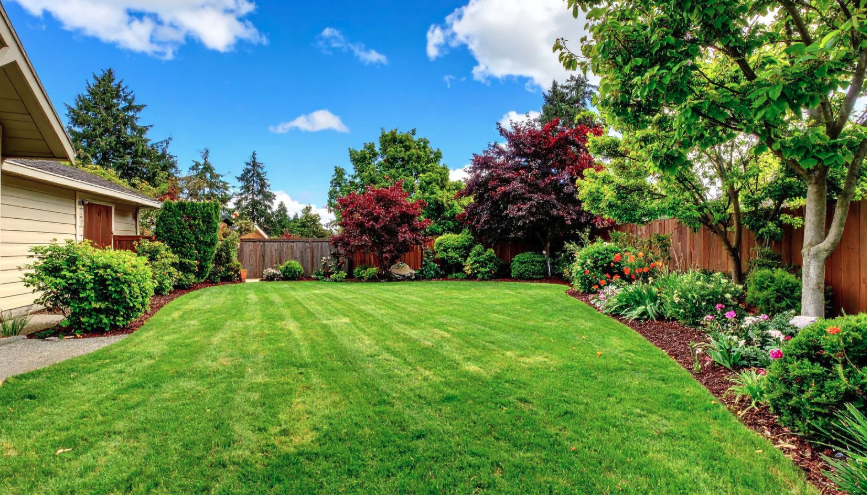
As housing affordability continues to challenge many Canadians, laneway homes are gaining attention as a potential solution for both younger buyers and older homeowners. These small, secondary homes built on existing residential properties can create additional living space, provide rental opportunities, and help families stay connected while maintaining independence.
For some families, laneway homes offer an alternative to purchasing an expensive starter home. Instead of searching for an affordable property in different cities, some buyers are turning to existing family properties as a way to create a home that fits their needs without the added costs of condominium fees or other restrictions.
The process of building a laneway home begins with understanding what is possible on the property. Homeowners must consider zoning rules, safety requirements, available space, utilities, and site conditions before moving into the design phase. Factors such as lot size, access, electrical lines, trees, and servicing requirements can all influence the final design and cost.
Construction timelines and expenses can vary depending on location, size, and design. In some cases, government incentives can help reduce costs and encourage homeowners to add more housing supply within existing neighbourhoods. However, the process can involve significant planning, permits, and coordination with builders and local authorities.
Beyond affordability, laneway homes are also becoming a way for families to support multigenerational living. Older homeowners can remain in neighbourhoods they love while creating space for adult children or future caregivers. At the same time, younger generations gain access to more attainable housing options.
As more communities adopt policies supporting additional housing units, laneway homes are becoming more common. While challenges remain around financing, appraisals, insurance, and resale value, these homes continue to provide a creative option for increasing housing supply and adapting existing neighbourhoods to changing family needs.
For some families, laneway homes offer an alternative to purchasing an expensive starter home. Instead of searching for an affordable property in different cities, some buyers are turning to existing family properties as a way to create a home that fits their needs without the added costs of condominium fees or other restrictions.
The process of building a laneway home begins with understanding what is possible on the property. Homeowners must consider zoning rules, safety requirements, available space, utilities, and site conditions before moving into the design phase. Factors such as lot size, access, electrical lines, trees, and servicing requirements can all influence the final design and cost.
Construction timelines and expenses can vary depending on location, size, and design. In some cases, government incentives can help reduce costs and encourage homeowners to add more housing supply within existing neighbourhoods. However, the process can involve significant planning, permits, and coordination with builders and local authorities.
Beyond affordability, laneway homes are also becoming a way for families to support multigenerational living. Older homeowners can remain in neighbourhoods they love while creating space for adult children or future caregivers. At the same time, younger generations gain access to more attainable housing options.
As more communities adopt policies supporting additional housing units, laneway homes are becoming more common. While challenges remain around financing, appraisals, insurance, and resale value, these homes continue to provide a creative option for increasing housing supply and adapting existing neighbourhoods to changing family needs.
We would like to hear from you! If you have any questions, please do not hesitate to contact us. We are always looking forward to hearing from you! We will do our best to reply to you within 24 hours !