

YOUR HOME SOLD GUARANTEED OR WE'LL BUY IT!*





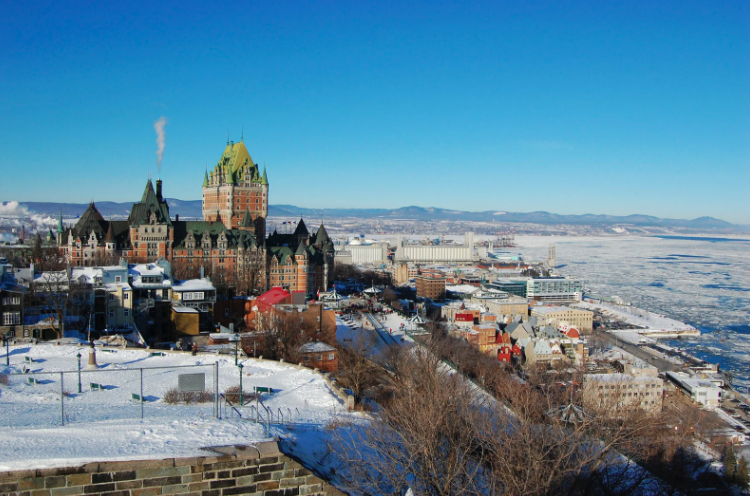
Quebec's real estate market in 2025 defied national trends, showing remarkable growth despite broader economic uncertainty. Sales increased across all segments, with the province recording its third-best year ever in terms of activity. Prices rose by about nine percent, and sales grew by an average of eight percent from the previous year. This surge was fueled by favorable financing conditions, such as declining interest rates and extended mortgage amortization periods, alongside a growing shift of renters transitioning into homeownership.
However, the surge in activity also exacerbated the affordability crisis. By the end of 2025, many households reached the limits of their debt capacity, slowing sales and signaling a potential deceleration in 2026. The market's listing-to-sales ratio remains historically low, emphasizing the shortage of available properties. As inventory remains tight, sellers maintain the upper hand, supporting higher prices. Although experts predict more moderate price growth in 2026, the imbalance between supply and demand is expected to continue.
Quebec's major cities, especially Quebec City and Montreal, were key drivers of the market's strong performance. Quebec City saw a 17 percent increase in single-family home prices, making it one of Canada's hottest housing markets. While Montreal's price growth was less dramatic, it still saw notable increases, particularly in the luxury market. Resort regions, such as Mont-Tremblant and the Eastern Townships, also saw increased demand, attracting affluent buyers seeking vacation properties and outdoor lifestyles.
Despite this growth, the market faces a significant shortage of homes, especially single-family homes and multi-unit "plex" properties. Although the condo market showed slight improvements in supply, the demand for single-family homes remains high, keeping prices elevated. The Quebec Professional Association of Real Estate Brokers continues to push for measures to increase supply, but until inventory levels rise, the market will remain heavily tilted in favor of sellers, making homeownership more difficult for many prospective buyers.
As the market shifts, real estate professionals in Quebec are adjusting to a new reality. What was once a stable market is now marked by increased competition and price sensitivity, particularly in larger cities like Montreal. Agents are also navigating changes in regulations, including tighter consumer protection laws and reforms in rental and condo regulations. Despite these challenges, the strong demand and low inventory suggest that Quebec's real estate professionals will continue to stay busy, though they must adapt to an increasingly complex and dynamic market.