

YOUR HOME SOLD GUARANTEED OR WE'LL BUY IT!*





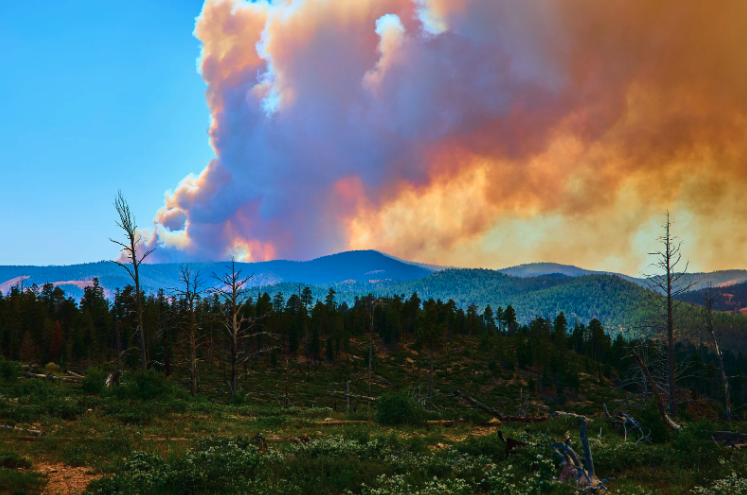
Canada’s wildfire crisis is becoming impossible to view as a distant environmental story. With hundreds of fires burning across the country, from the Northwest Territories and Prairies to British Columbia, Ontario, Quebec and Labrador, the impact is being felt far beyond the flames. Smoke is affecting communities across Canada and making headlines around the world, but behind the statistics are families facing evacuations, damaged homes and disrupted lives.
For many Canadians, climate change is no longer an abstract issue. In Kelowna, British Columbia, major wildfires have forced residents to prepare for evacuation, welcome displaced families and watch anxiously as fires move toward neighbourhoods. Experiences like these demonstrate that climate-related risks are increasingly part of everyday life—and increasingly part of decisions about where Canadians choose to live.
That is also changing conversations in real estate. REALTORS® are hearing more questions about wildfire and flood risk, while homeowners are dealing with rising insurance costs and concerns about future coverage. The Canadian Climate Institute estimates that by 2030, as many as 750,000 new homes could be built in areas at high risk of flooding and wildfire, making climate resilience an increasingly important consideration for buyers, sellers and communities.
As these risks grow, REALTORS® have an important role to play in helping clients understand the questions that matter. That might include reviewing flood maps, considering wildfire-resilient features, or discussing how climate risks could affect insurance, maintenance costs and long-term property value. To support this evolving role, the Canadian Real Estate Association introduced the Canadian Certified Green Representative (CCGR) certification in 2025, providing practical knowledge related to climate resilience, environmental hazards, energy efficiency and sustainable housing.
Building safer and more resilient communities will require collaboration among governments, industry, communities and housing professionals. As Canadians increasingly consider climate risk alongside affordability, location and lifestyle, REALTORS® can help ensure clients have the knowledge and resources they need to make informed decisions about where they live, invest and build their futures.
For many Canadians, climate change is no longer an abstract issue. In Kelowna, British Columbia, major wildfires have forced residents to prepare for evacuation, welcome displaced families and watch anxiously as fires move toward neighbourhoods. Experiences like these demonstrate that climate-related risks are increasingly part of everyday life—and increasingly part of decisions about where Canadians choose to live.
That is also changing conversations in real estate. REALTORS® are hearing more questions about wildfire and flood risk, while homeowners are dealing with rising insurance costs and concerns about future coverage. The Canadian Climate Institute estimates that by 2030, as many as 750,000 new homes could be built in areas at high risk of flooding and wildfire, making climate resilience an increasingly important consideration for buyers, sellers and communities.
As these risks grow, REALTORS® have an important role to play in helping clients understand the questions that matter. That might include reviewing flood maps, considering wildfire-resilient features, or discussing how climate risks could affect insurance, maintenance costs and long-term property value. To support this evolving role, the Canadian Real Estate Association introduced the Canadian Certified Green Representative (CCGR) certification in 2025, providing practical knowledge related to climate resilience, environmental hazards, energy efficiency and sustainable housing.
Building safer and more resilient communities will require collaboration among governments, industry, communities and housing professionals. As Canadians increasingly consider climate risk alongside affordability, location and lifestyle, REALTORS® can help ensure clients have the knowledge and resources they need to make informed decisions about where they live, invest and build their futures.
We would like to hear from you! If you have any questions, please do not hesitate to contact us. We are always looking forward to hearing from you! We will do our best to reply to you within 24 hours !